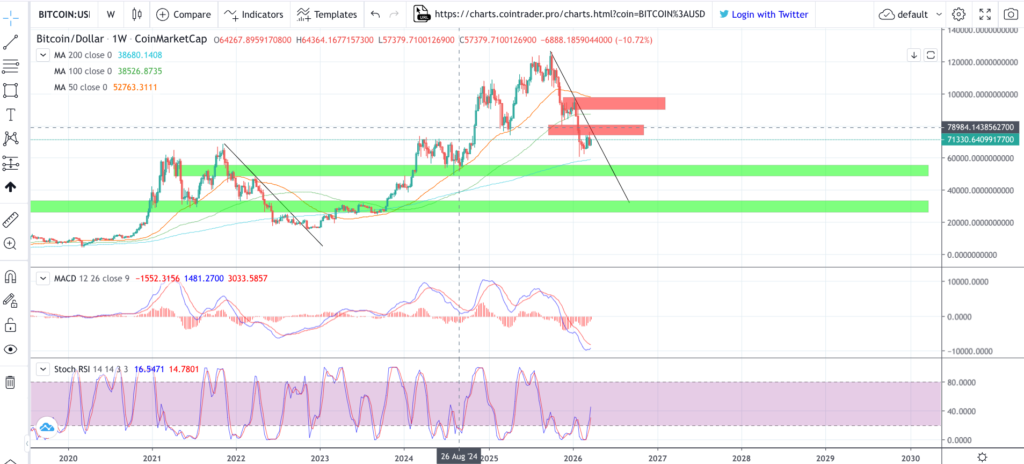
There hasn’t been much change in the market over the past week. Bitcoin got rejected from the first supply level I talked about in the previous update. But let’s get straight to the point. The current narrative is that war headlines will determine the next move in the market. Is it up or down depending on escalation?
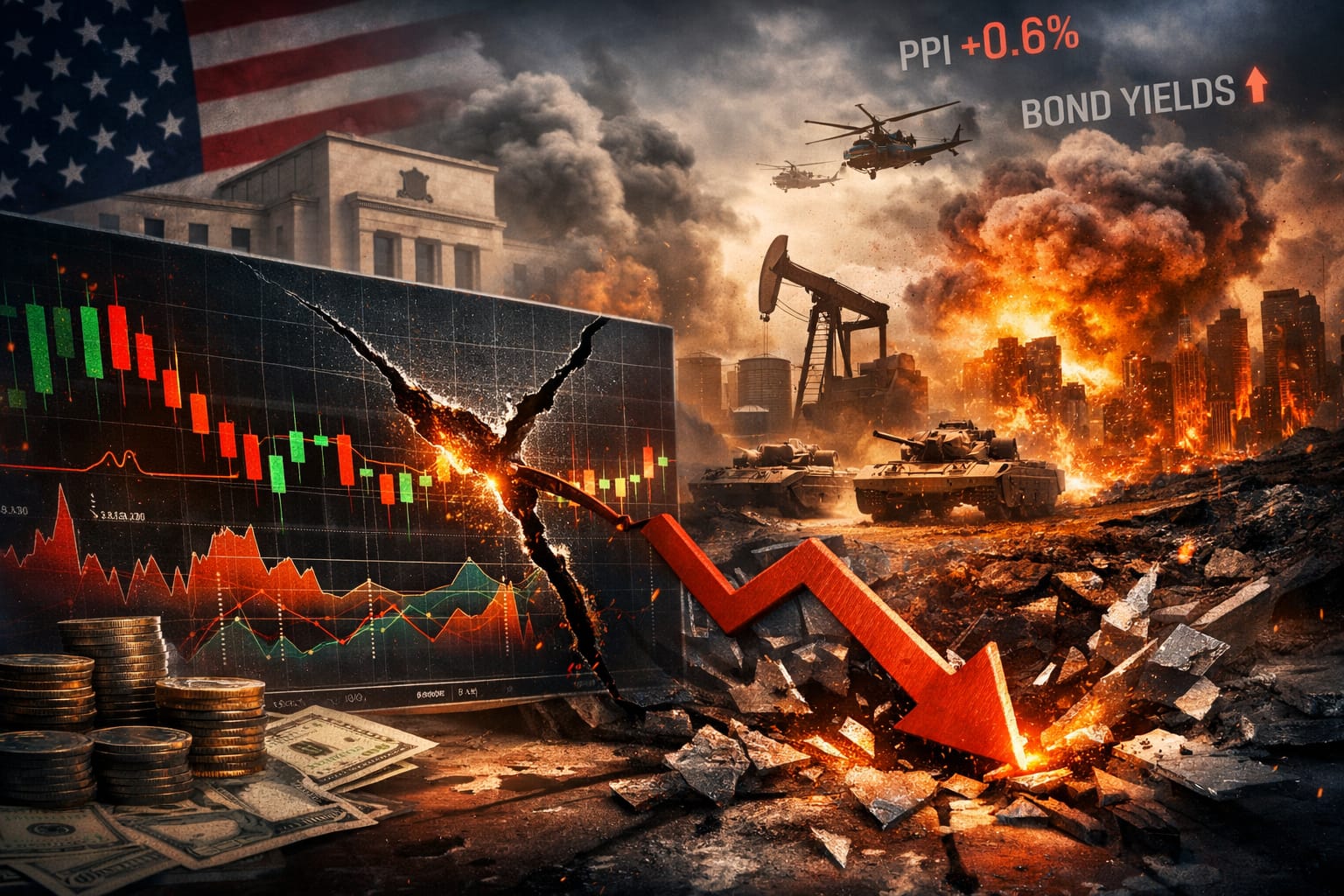
In my view, that’s too simple. Yes, headlines can move the market inside the range. But that’s not what is actually driving the bigger picture.
The market is not really pricing the war itself. It’s pricing whether the war breaks something in a system that is already tight. Right now the setup looks like this:
- US PPI is moving higher
- Oil is pushing up
- Fed balance sheet is low
- TGA is high
- RRP is basically drained
- Bank reserves are relatively low
- Long-end yields are rising
That’s the key. The war alone is not the problem. The problem is that it adds inflation and energy pressure at the same time when liquidity buffers are already thin. And this is where it gets more important.
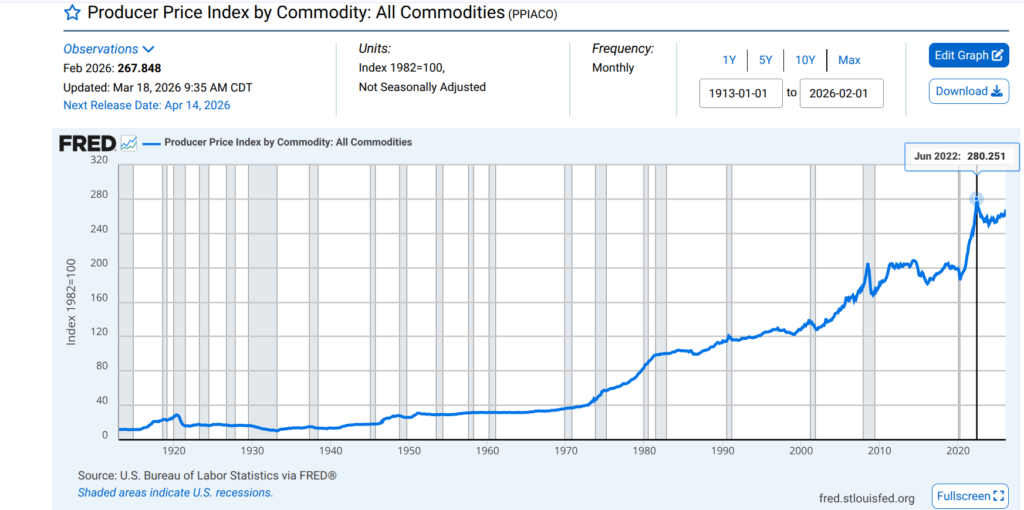
PPI is already moving higher, which typically feeds into CPI with a lag. If input costs continue rising – especially energy – inflation pressure is likely to stay elevated in the coming months. War-driven energy spikes don’t show up immediately, but they tend to work through the system over time. So if oil stays elevated, the market is not just dealing with current inflation – it’s dealing with the risk of inflation picking up again. That creates a difficult setup.
If inflation stays elevated or starts moving higher again:
- Central banks have less room to ease
- Rate cuts get pushed out
- And even small rate hikes start to become part of the conversation
And that’s where things start to matter. Not long ago, markets were pricing rate cuts for this year. Now that expectation is shifting toward higher-for-longer – and even the possibility of small hikes. So where does that leave us?
Bond market is already in a warning phase. Credit is not fully broken — yet. Repo / funding stress is still more of a tail risk than a base case. That’s why the market feels stuck. Not because nothing is happening, but because everything is building under the surface. If something breaks, the move won’t be small. How far it goes depends on how long the conflict lasts and whether something in the system actually cracks. If that happens, price will likely start moving toward the longer-term levels I’ve discussed in previous market updates.
And this is the part most people miss. Markets don’t wait for things to break — they price the probability of something breaking.When When that probability gets high enough, it’s already reflected in price. And when something finally does break and headlines are everywhere, that’s often when the market is already close to a bottom.
Until then, we are just moving inside the range.
This is not investment advice – only my interpretation of the current data and market structure.
– MastertheEdge